2024 Exhibits

Gammelgården Museum has several exhibits during 2024 including the following:

  • Preserving Sami Clothing and Culture (January 2024)
  • Games, Toys, and Pastimes of the Mid- to Late-1800s (May-October 2024)
  • Folk Dräkt
    • Folk Dräkt and Art of Leksand, Dalarna, Sweden (May-July 2024)
    • Folk Dräkt and Art of Skedevi (August-October 2024)
  • Holiday Exhibit

~This page is under construction~

Sami Exhibit

Games, Toys, & Pastimes of the Mid to Late 1800s

Folk Dräkt

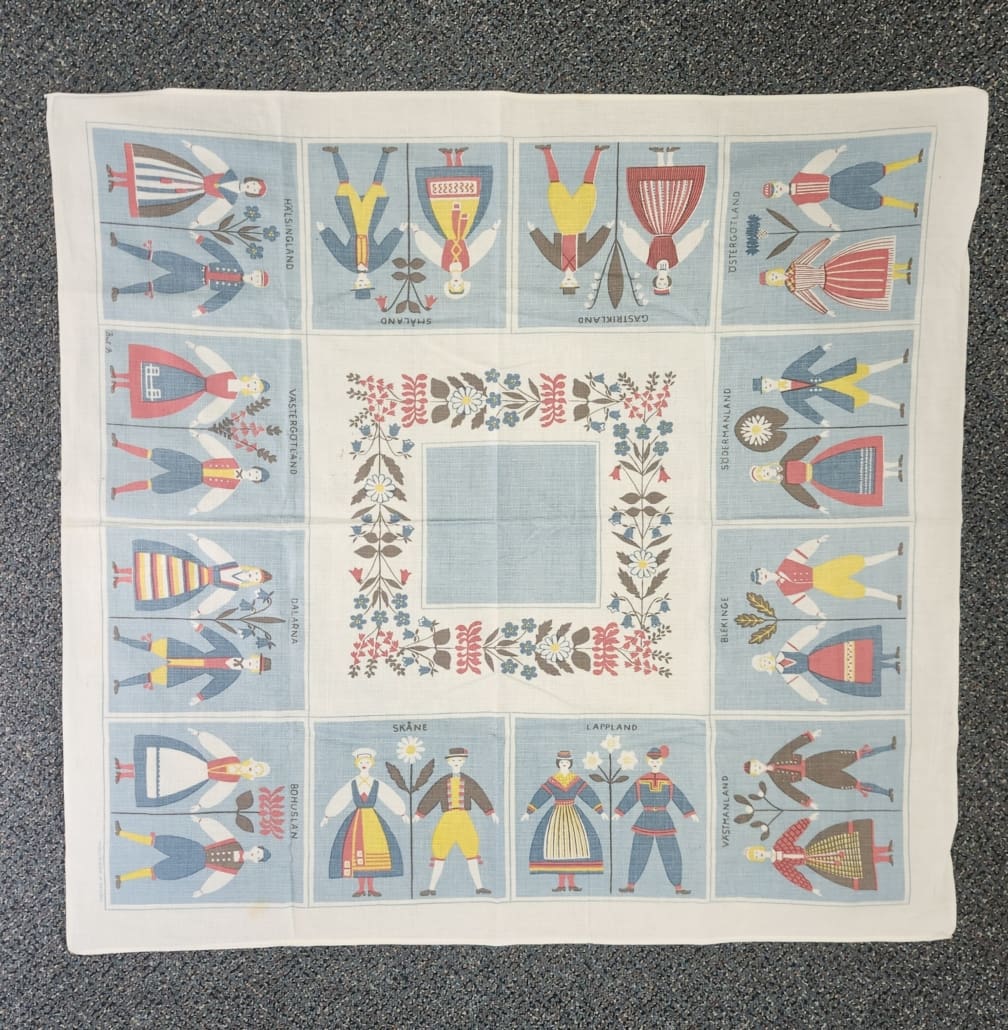
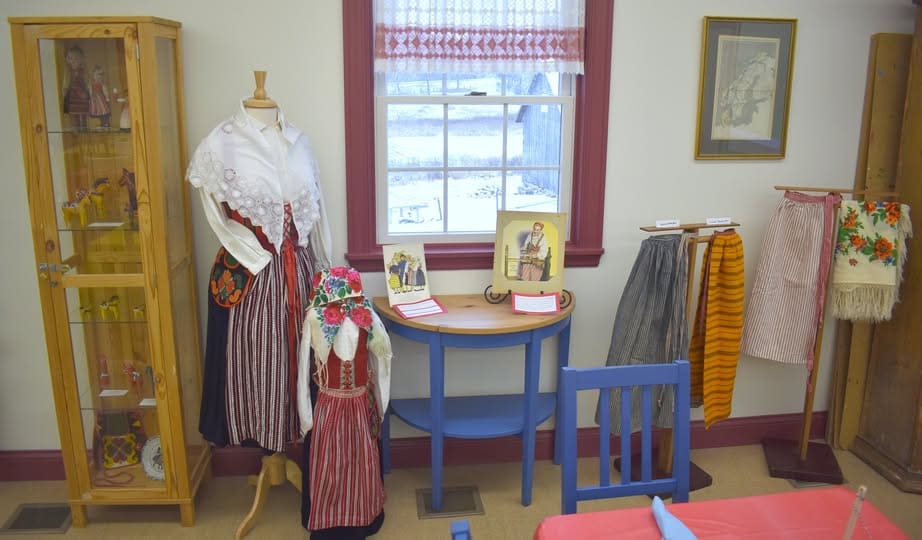
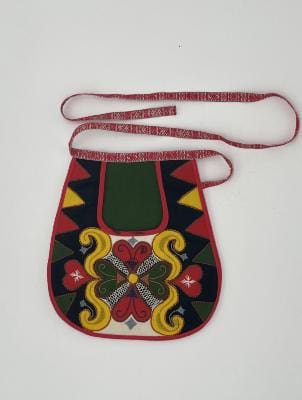
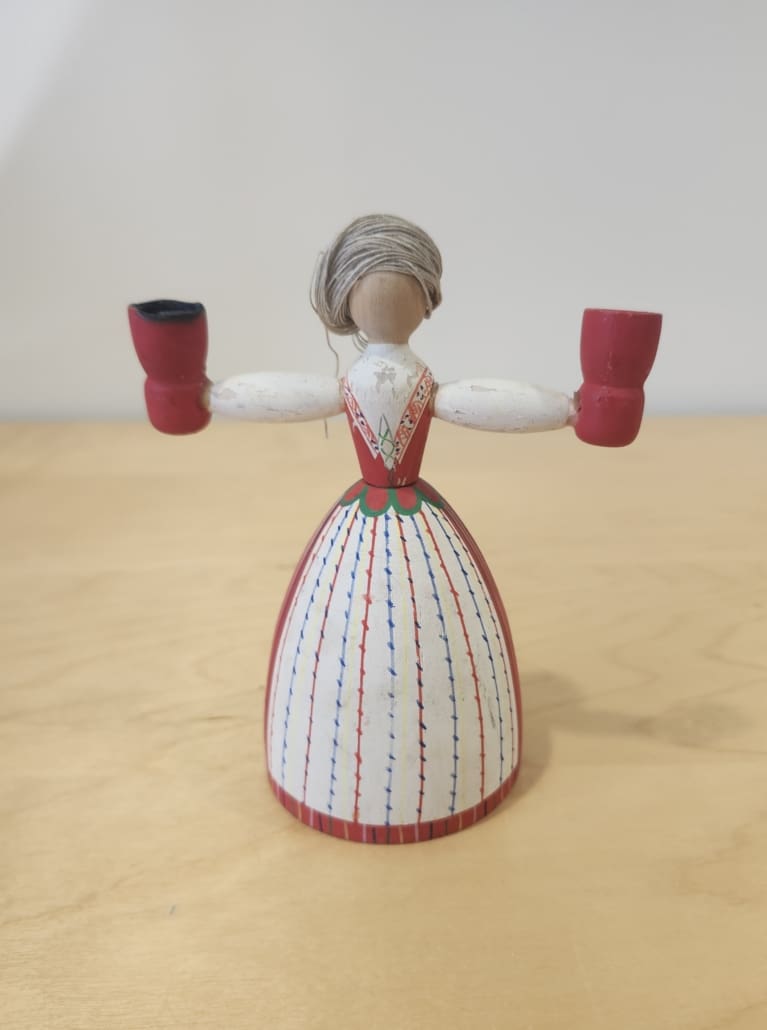
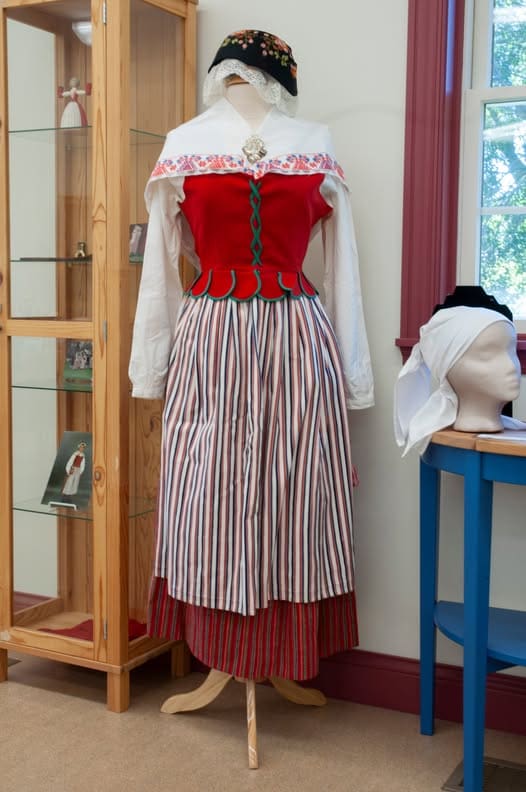
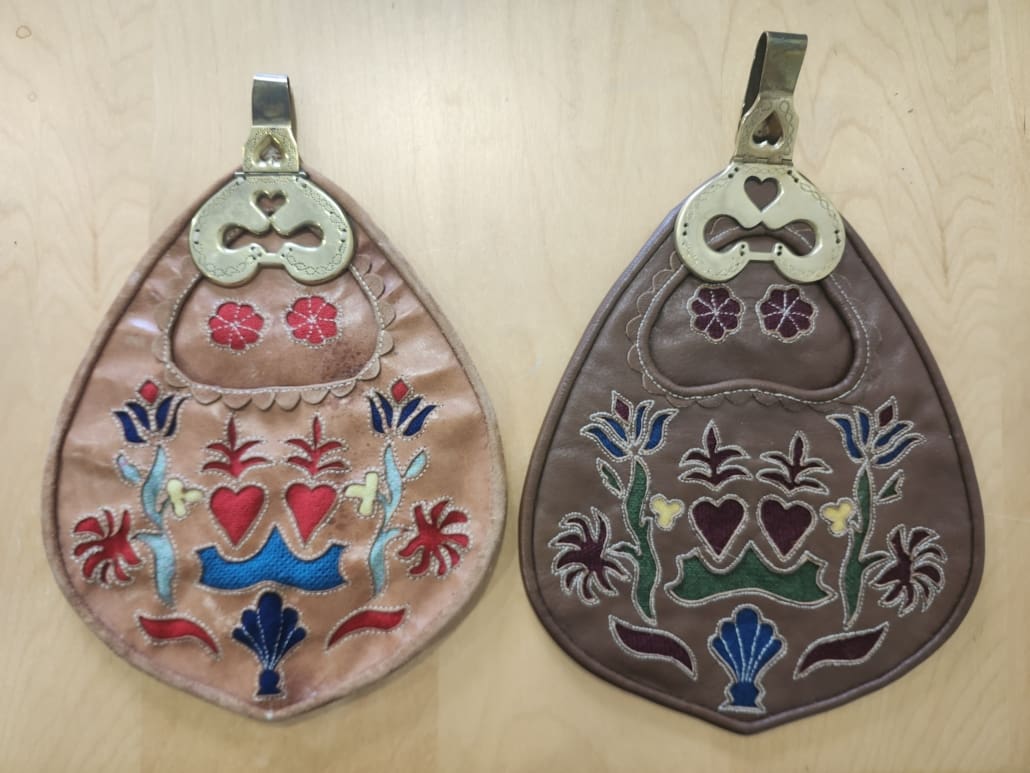
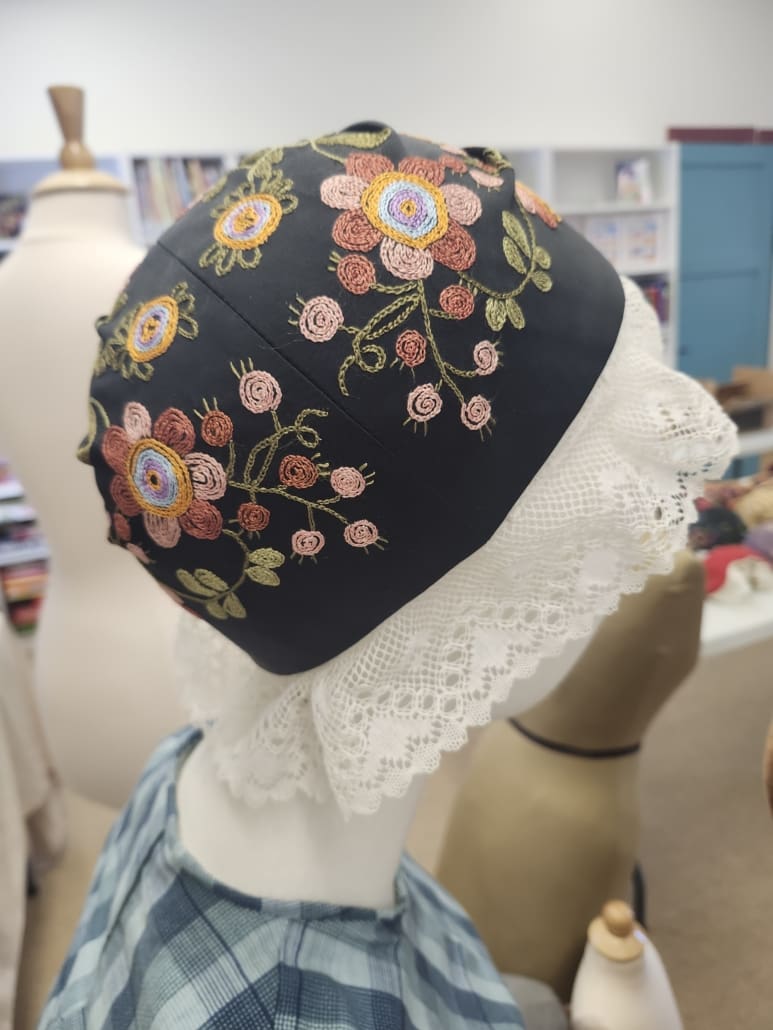
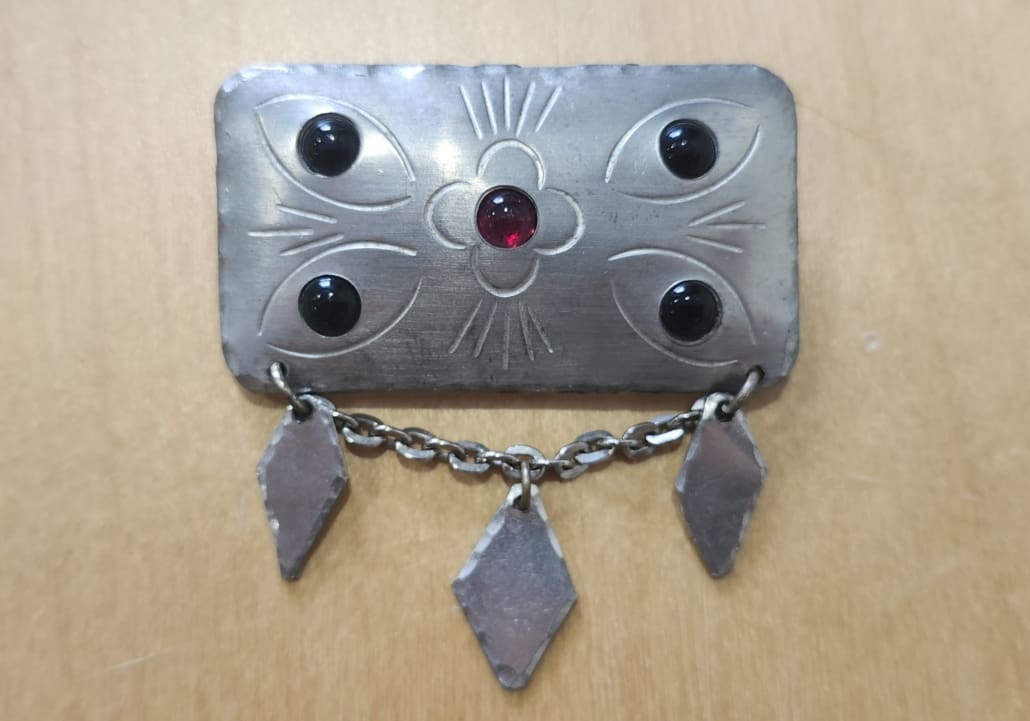
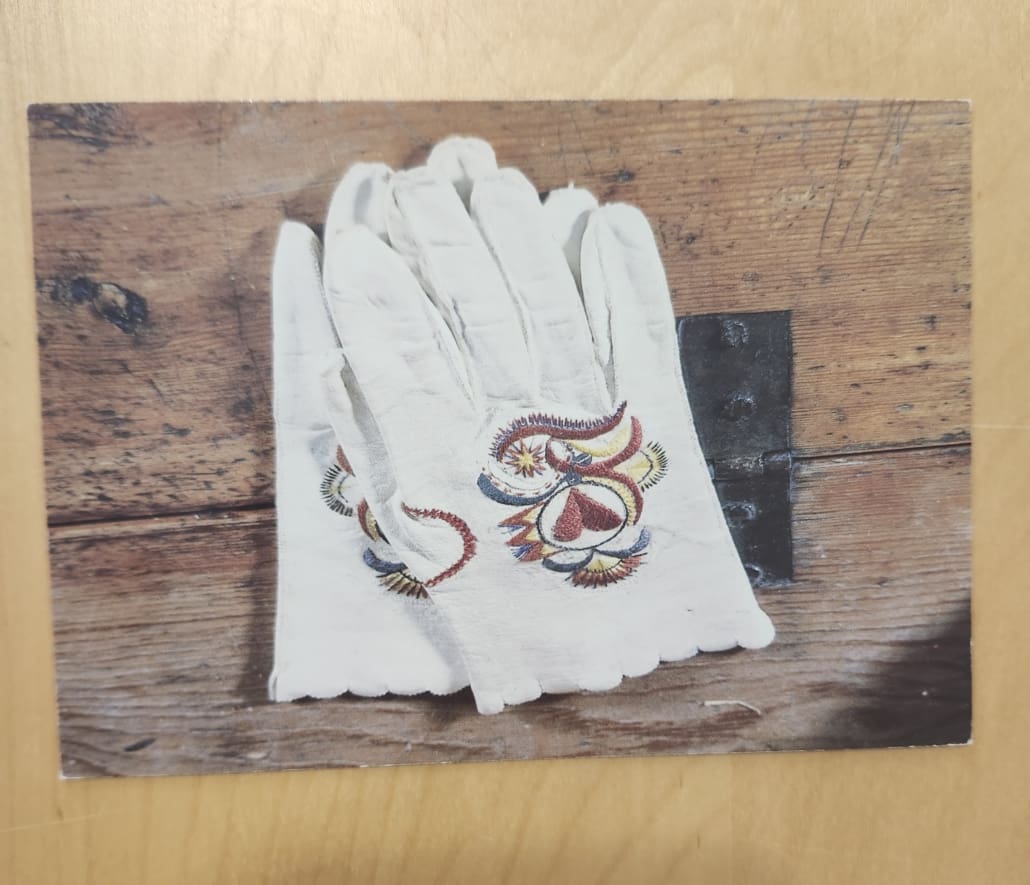
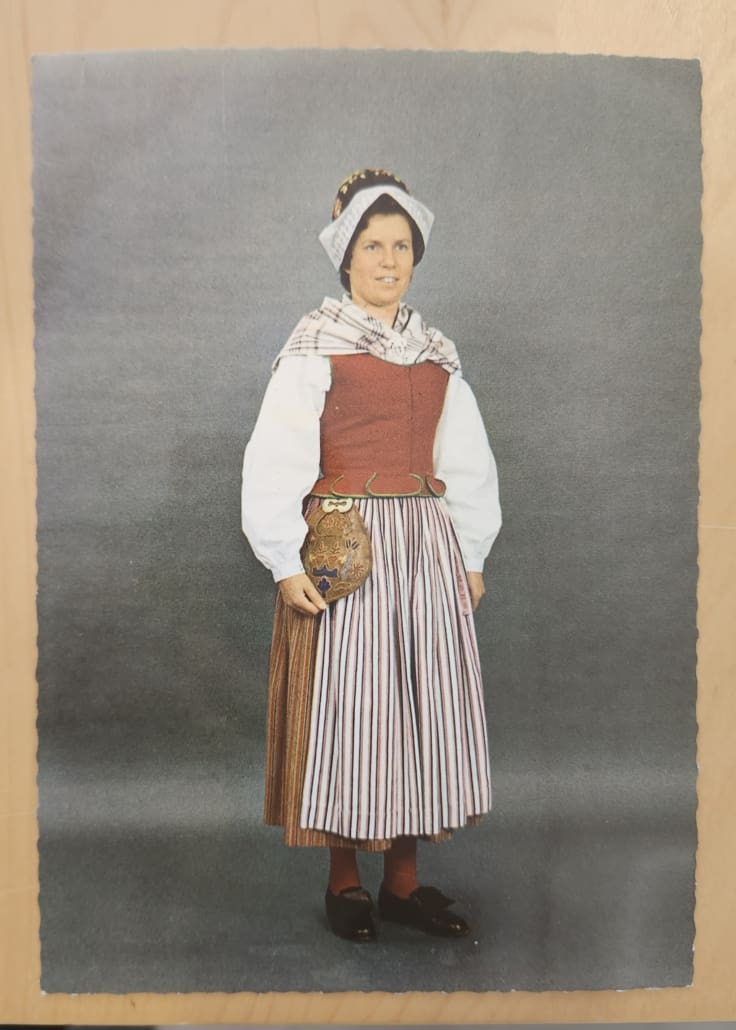
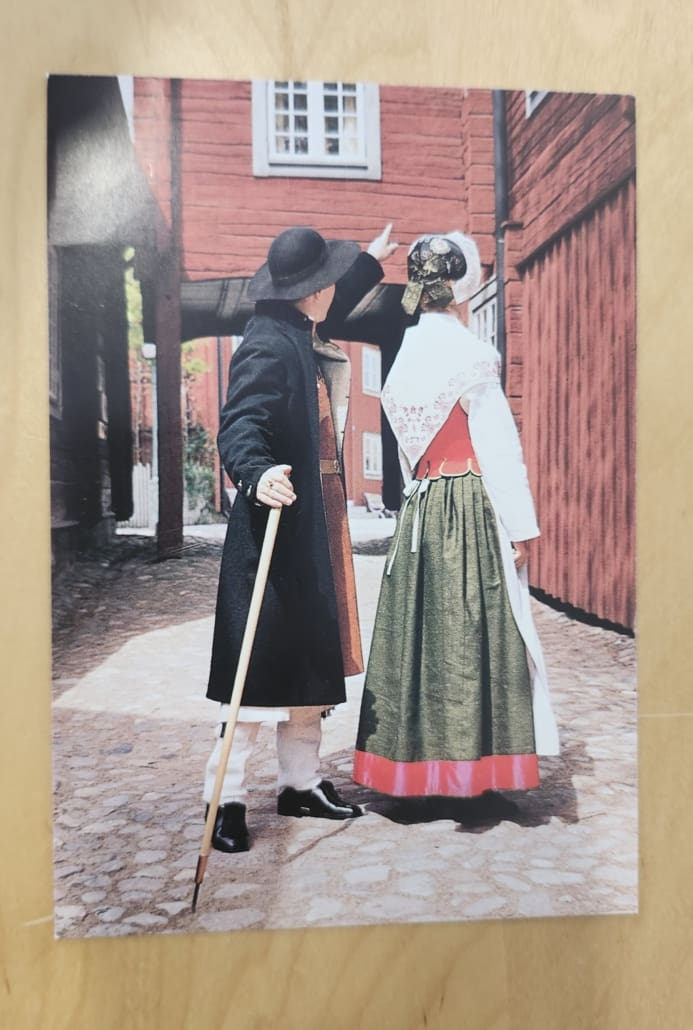
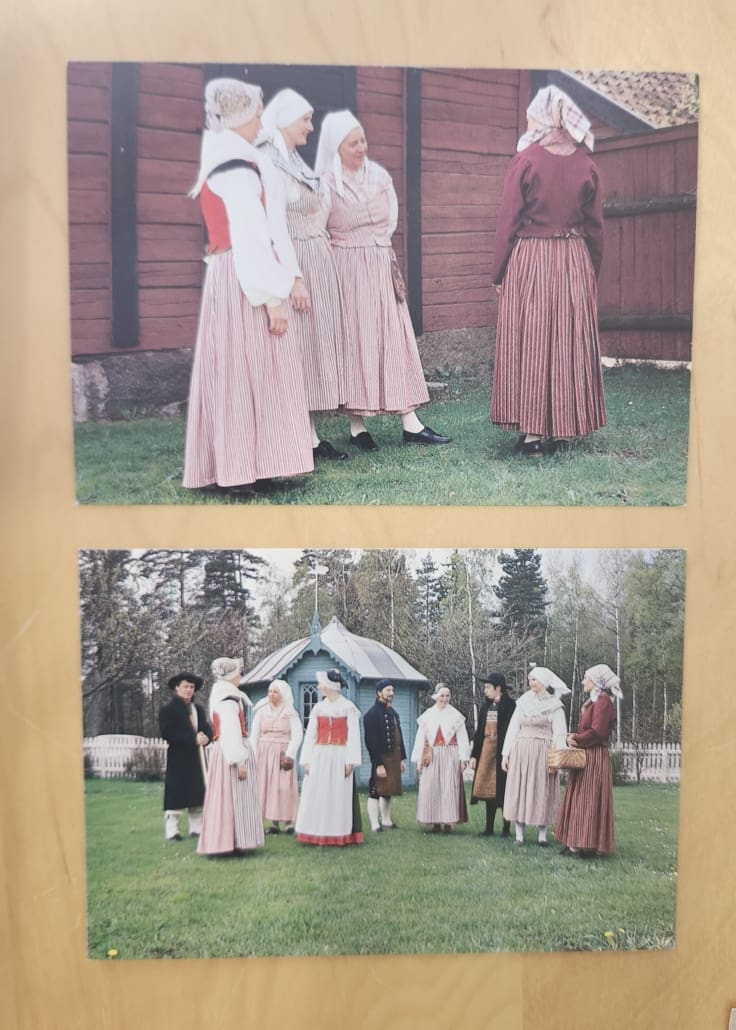
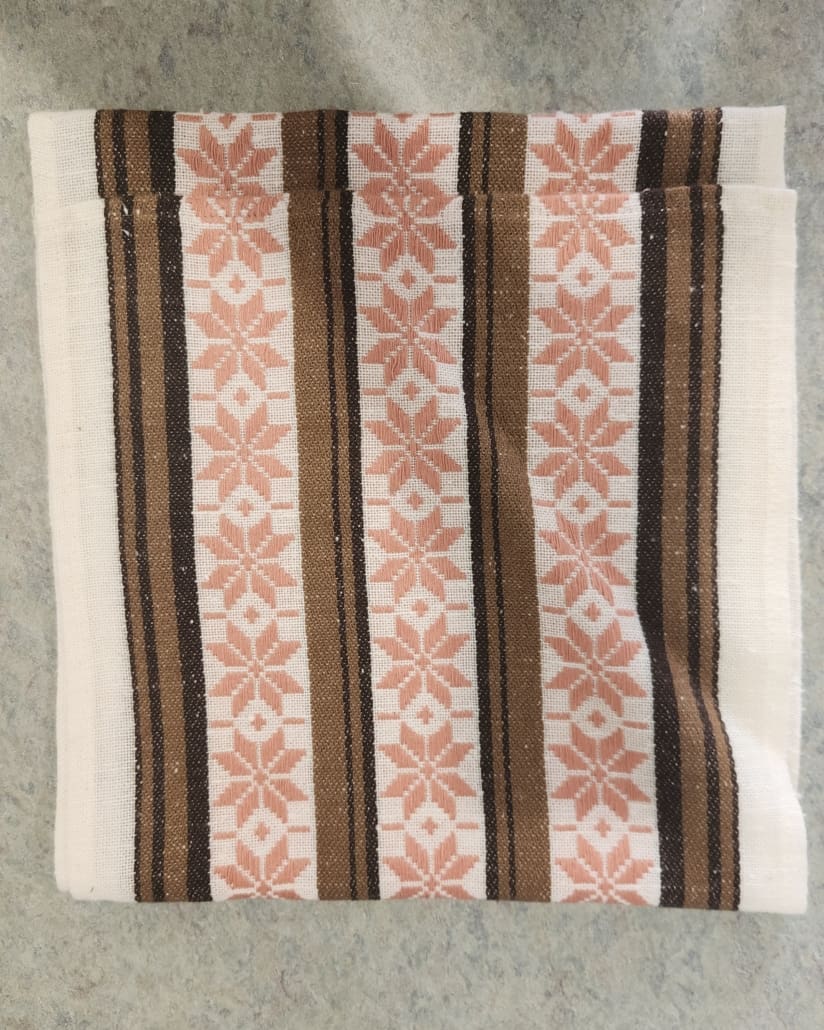
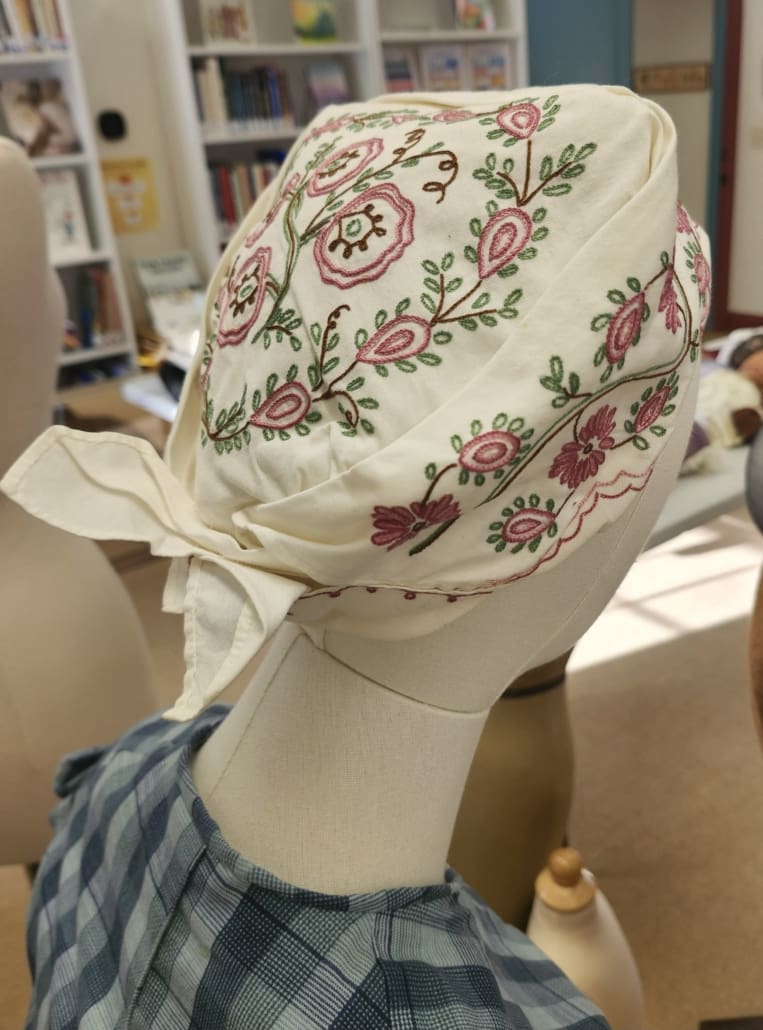
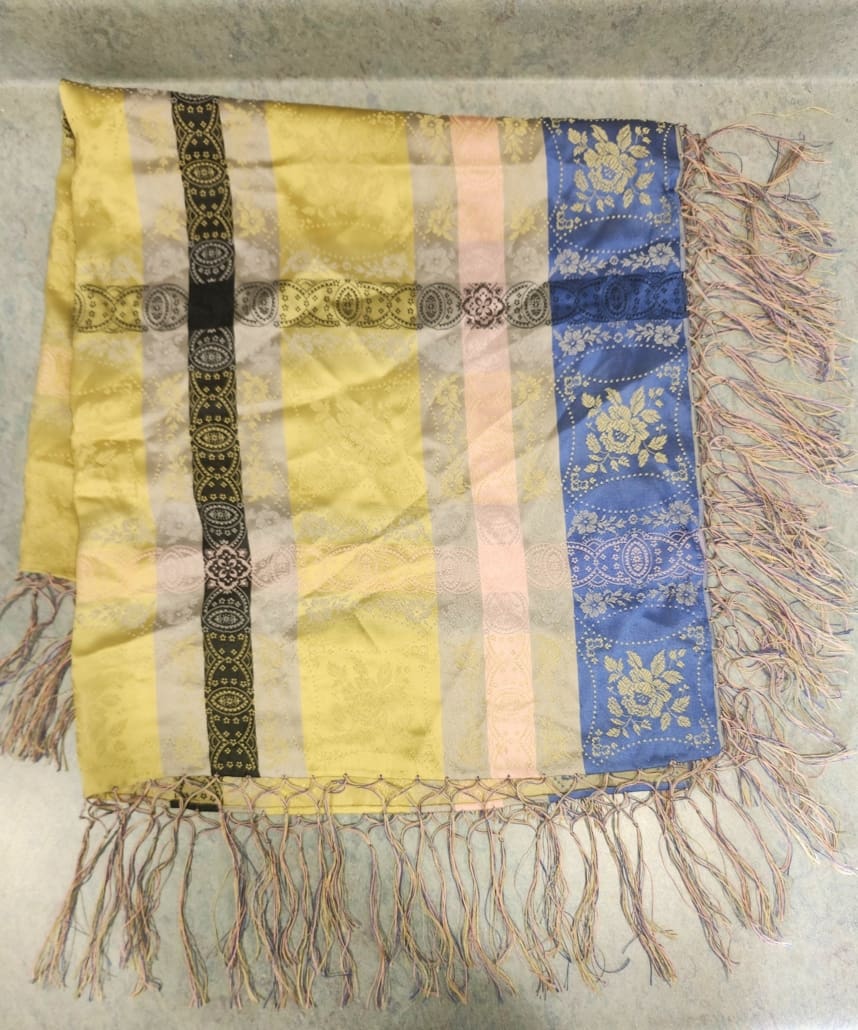
Throughout the year of 2024, Gammelgården Museum displayed various collections of traditional Swedish Folkdräkt, or Folkdress, from our collection. These collections included tableaus of traditional regional folkware, textiles, and artwork.

Traditional Swedish folk dress, as we know it today, became popular throughout Sweden in the mid-19th century.  These unique, often vibrant, and intricately detailed garments are more than just beautiful; they remain important today for preserving the history and stories of regional Sweden.

Folkdräkt is a wearable history preservation device when looked at with a scholarly eye. Each region had unique designs, colors, and customs woven into cloth, and highlighted specific regional history and values. These garments became well known for their most common uses during Midsummer celebrations, festivals, weddings, and specific cultural events. They are easily identified by their use of vivid, saturated colors and their detailed, often homemade, craftsmanship.

Folkdräkt designs reflected local heritage, and wearing one symbolised pride and belonging within a community. The often handmade designs were personal and highly symbolic, making them important items to preserve and pass down as heirloom items.

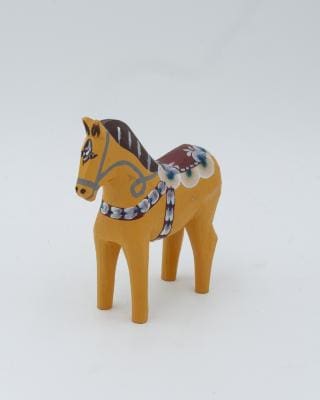
“Folkdräkt and Art of Leksand, Dalarna, Sweden” Display

  • Leksand, Dalarna region

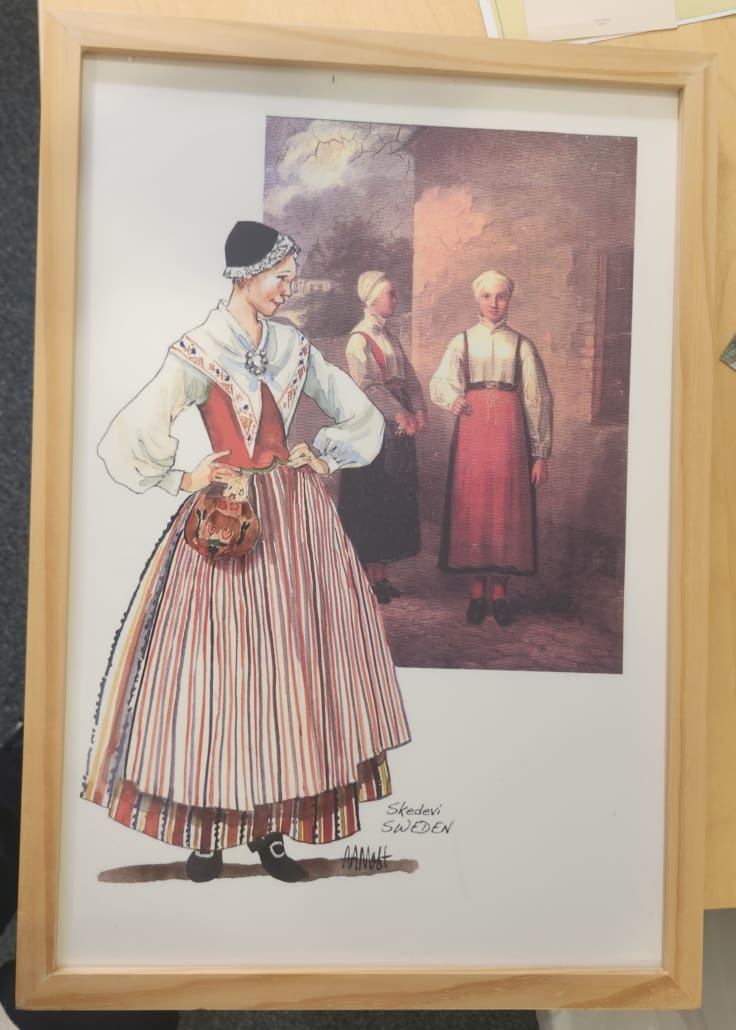
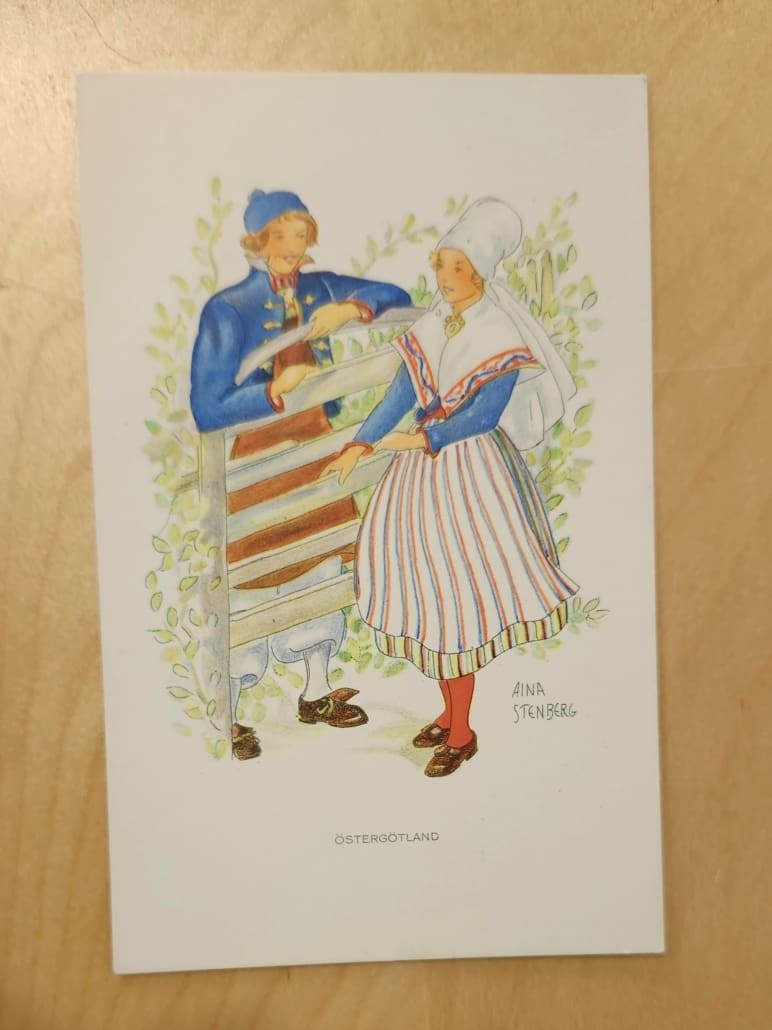
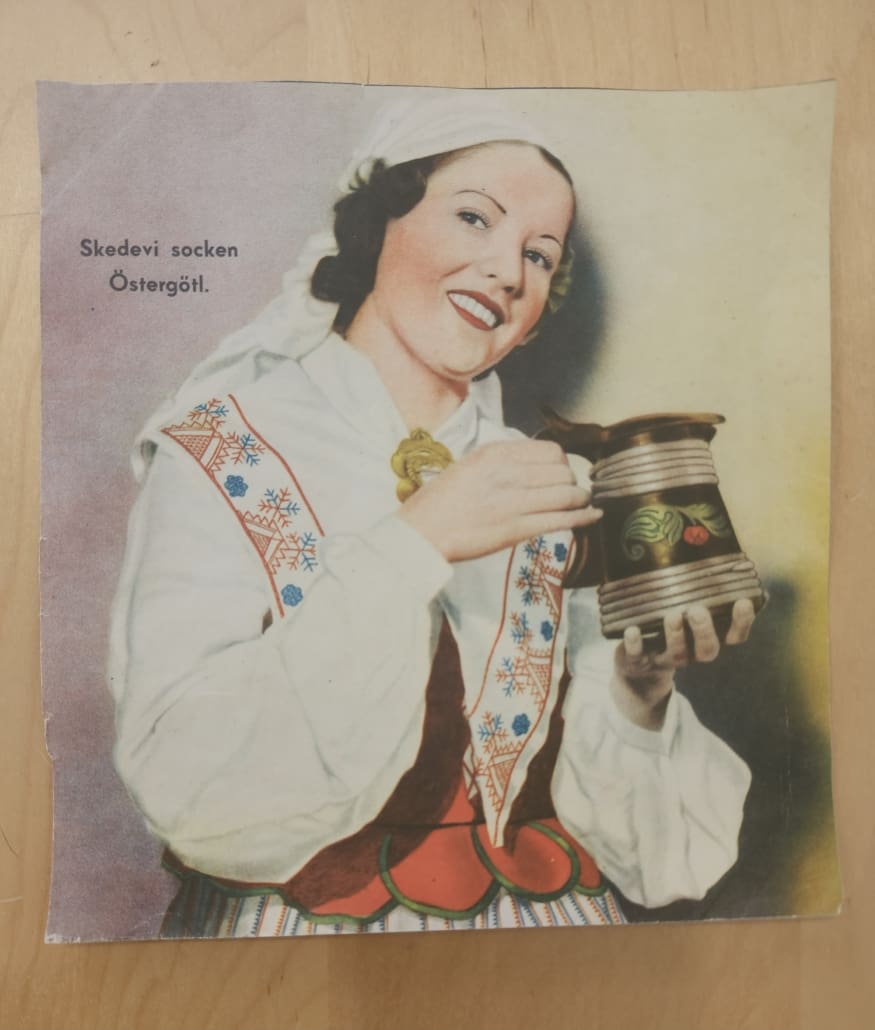
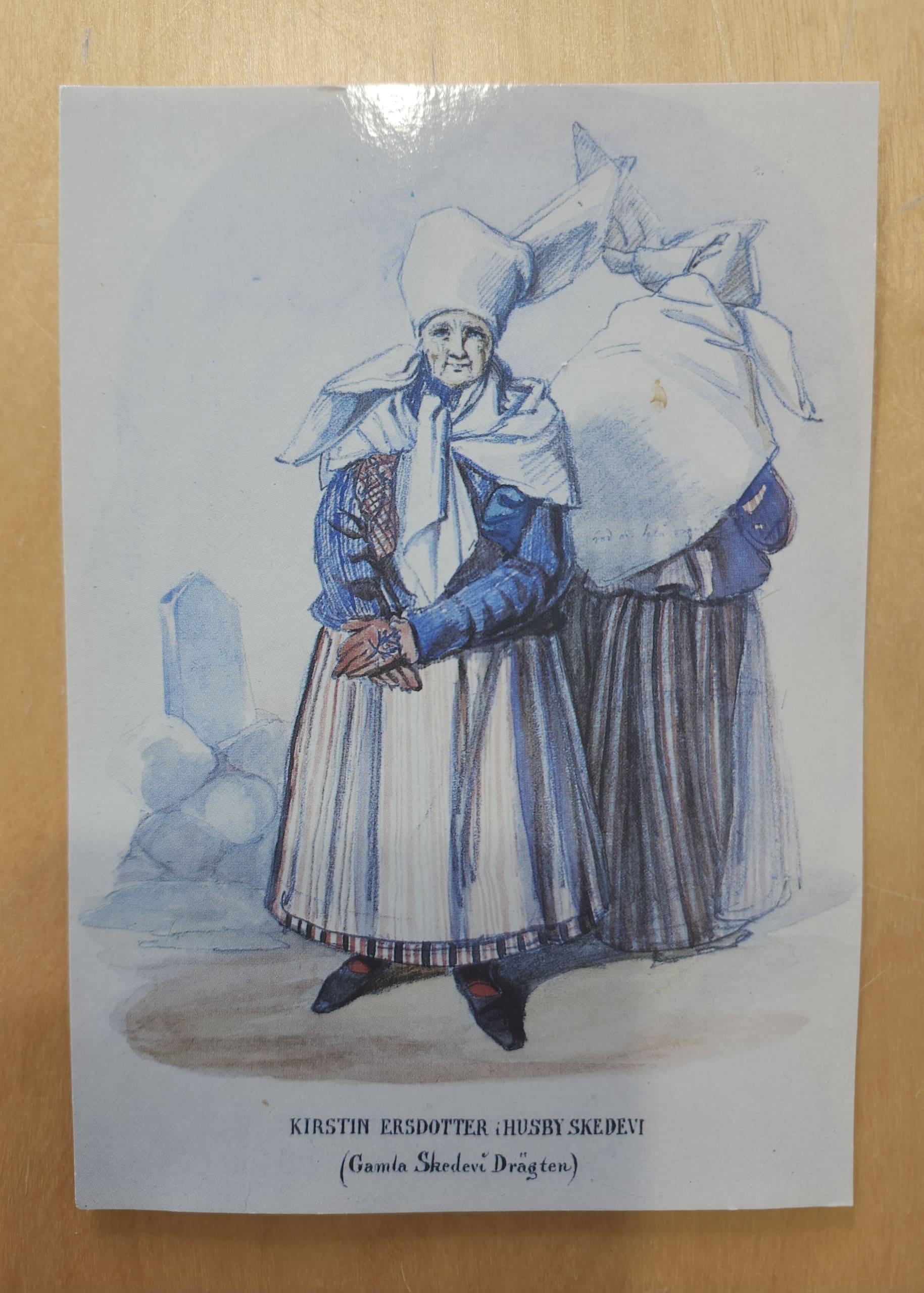
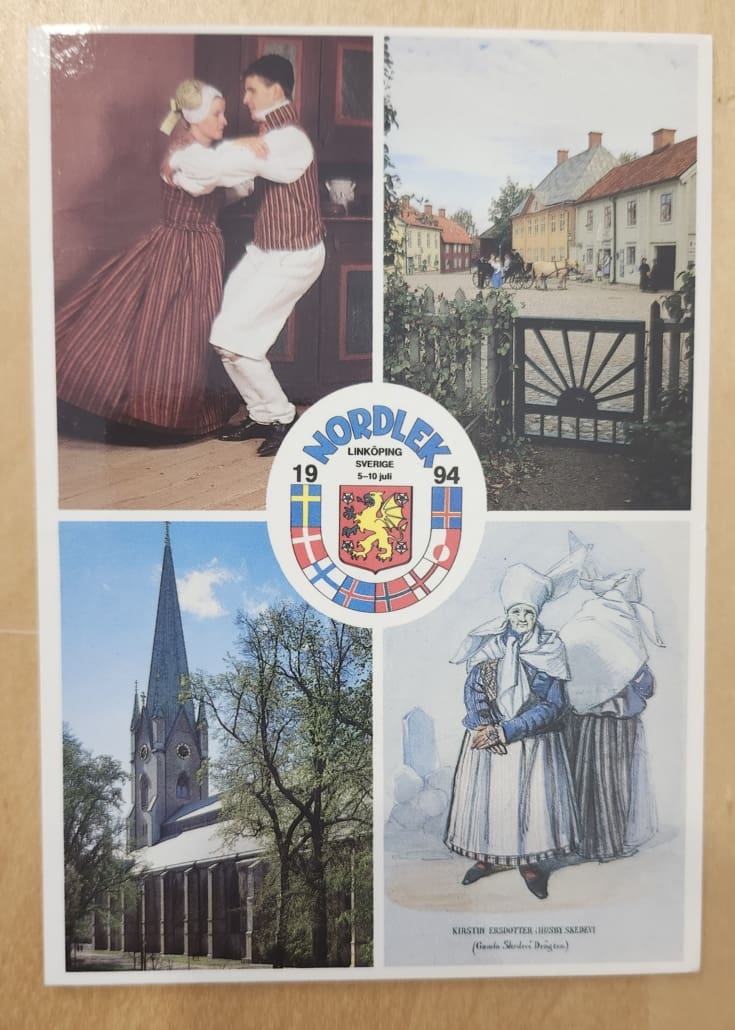
“Folkdräkt and Art of Skedevi” Display

Skedevi, Östergötland region

  • A square, thin, white, starched cotton fabric, which is folded in three and tied at the back, so that one fold is diagonally upwards and the other diagonally downwards.
  • Typically worn by a married woman.
  • The wearer’s name or initials would be stitched in red.

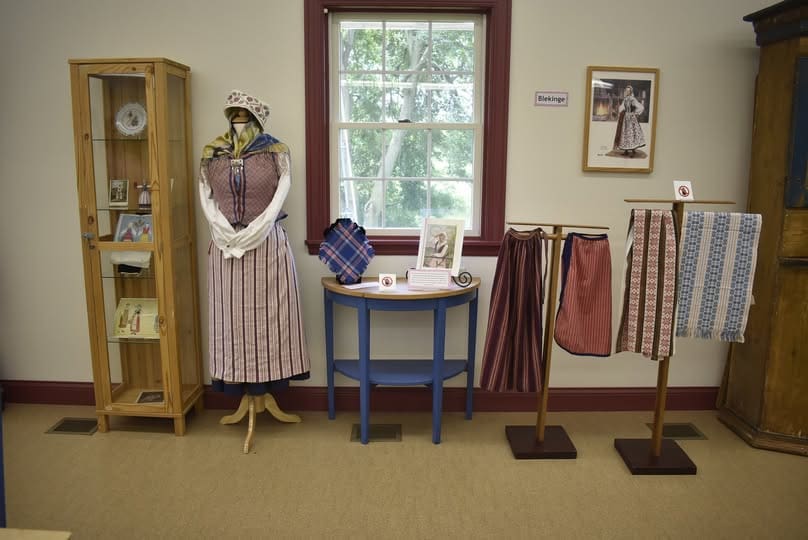
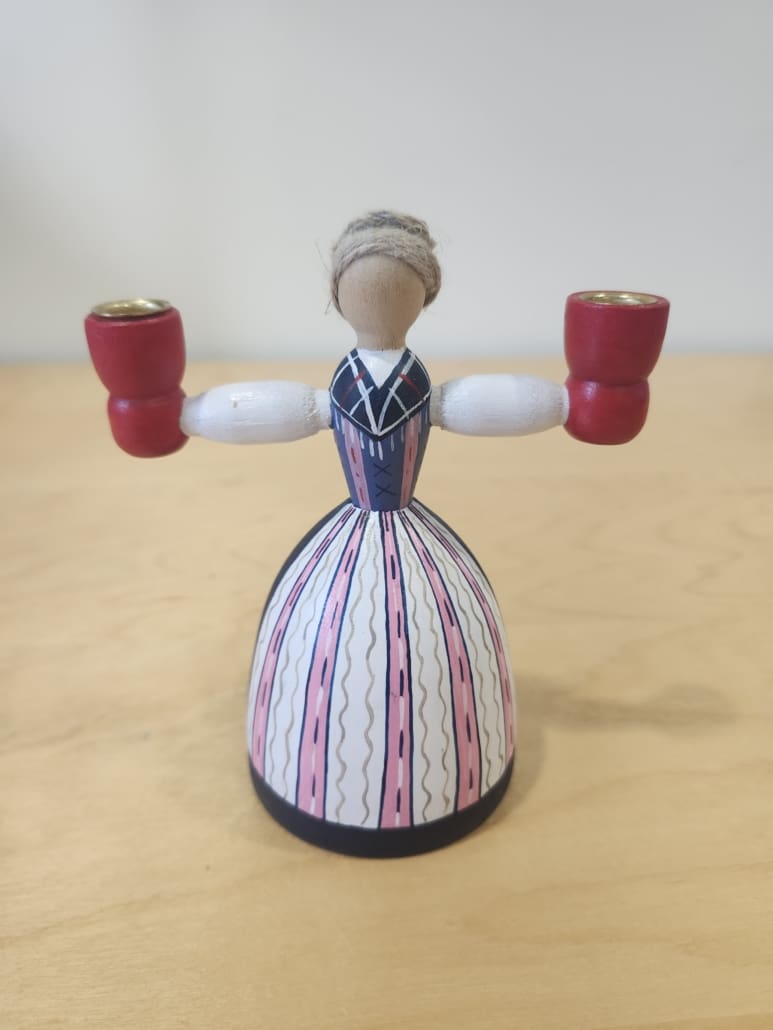
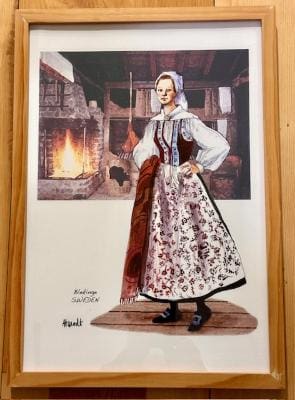
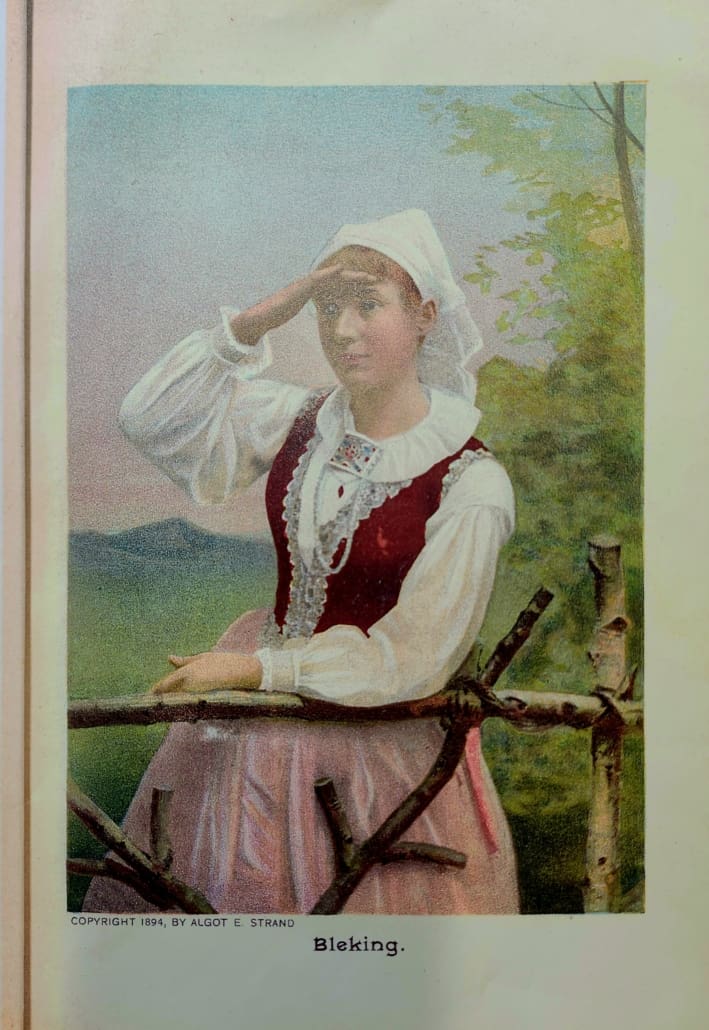
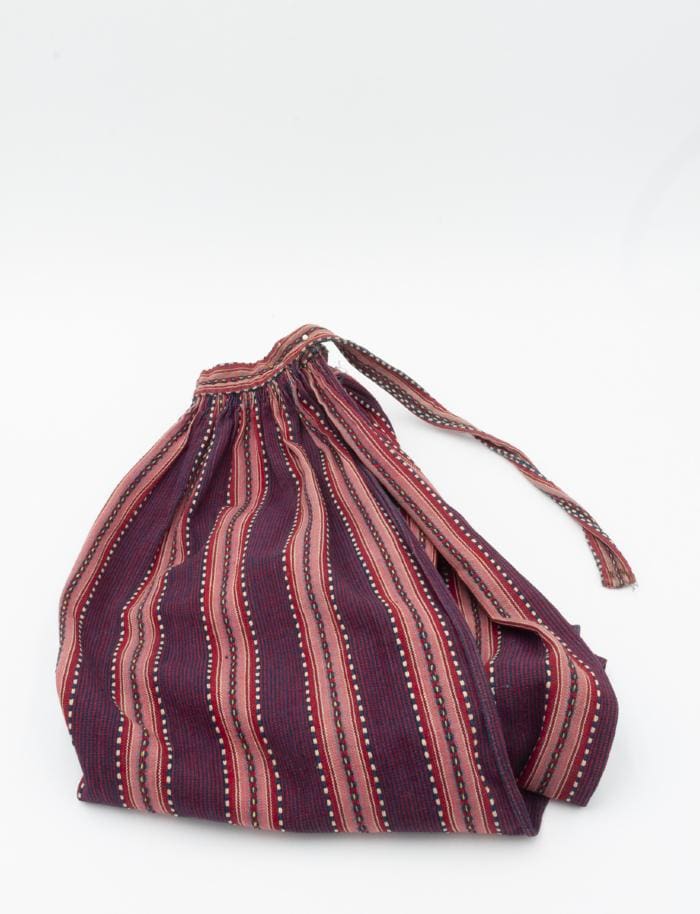
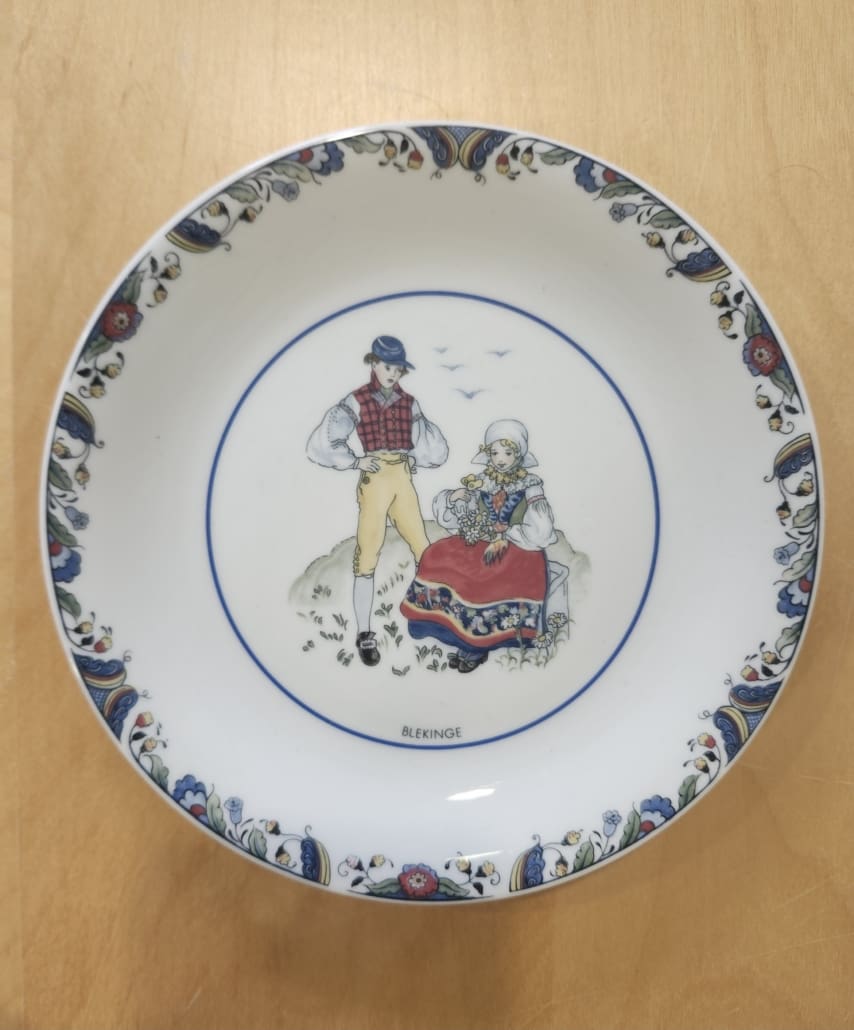
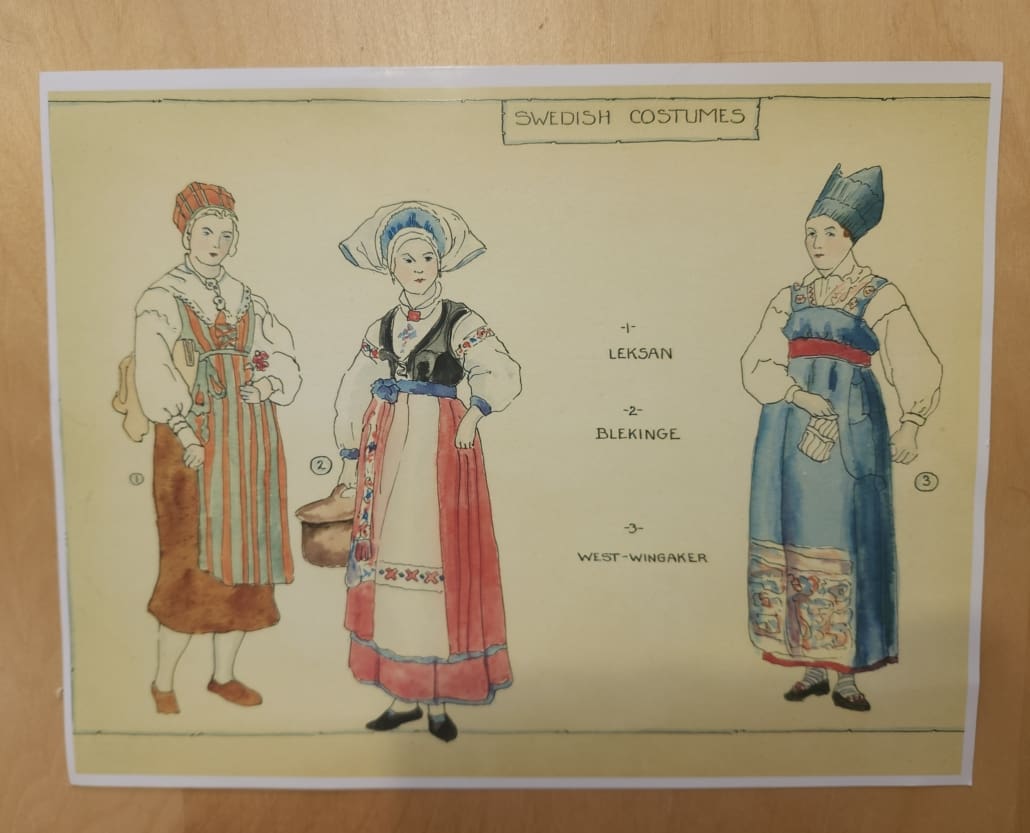
“Folkdräkt and Art of Blekinge” Display

  • Colorful and expensive purchased materials were available to those on the eastern coast, including silks and foreign patterns. Rose and blue were typical Blekinge colors, and the men’s costume was heavily influenced by naval and military fashions.
  • Increased prosperity in the 18th and 19th centuries made the Blekinge region flourish. Karlshamn became Sweden’s third-largest seaport, and Karlskrona, an important military town, became the third-largest town by 1805. These factors played a major role in shaping Blekinge’s unique costume style.

Holiday Exhibit