Renovation, Restoration, Preservation, Versus Conservation for Historic Buildings
When people think of museums, they think about the preservation of items: armor, clothing, dishware, figurines, furniture, toys, paintings, pottery, weapons, and so much more. The preservation of these items is important because they tell a story of craftsmanship, ingenuity, and a former way of life. Maintaining these items can become difficult over time. Museums have to manage a collection of items, ensuring they are stored in a humidity-, temperature-, and light-controlled space away from possible spills and excess handling, while exhibiting artifacts to the public. These artifacts are safeguarded within a building; however, what happens to historic buildings?
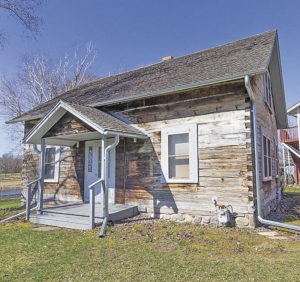
Buildings, like cultural artifacts, communicate a region’s history and serve as witnesses to former building practices and occupants (Design Pulse Team, 2025). They also serve the community as a specific regional landmark, source of identity, and educational tool (Design Pulse Team, 2025).
Unlike artifacts, historic buildings are exposed to a variety of weather conditions from outside debris, high winds, hail, snow, rain, and flooding, all of which can lead to internal and external damage.
How does one maintain a historic building?
There are four levels of intervention: preservation, conservation, restoration, and renovation. The definitions for these four terms vary between organizations. However, Conservation & Design International, a journal that specializes in the safeguarding of precious objects, defines these four processes as follows:
- Conservation is the cleaning, maintenance, and storage of an object with very little to no alterations or changes (Bjorneberg, n.d.).
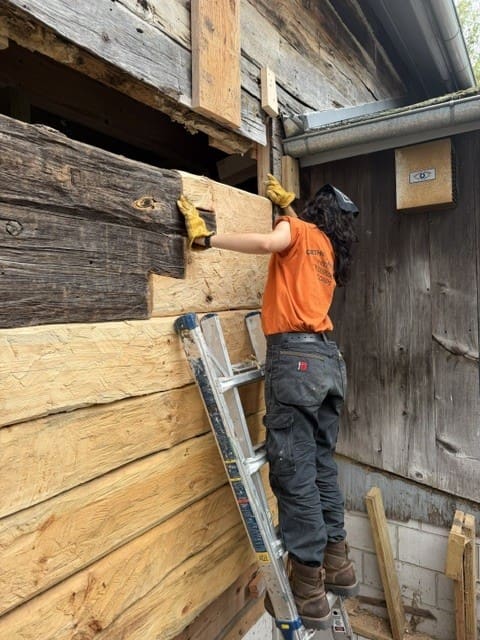
- Preservation involves direct intervention and alteration to keep the object from further damage, but these changes are always reversible (Bjorneberg, n.d.). Changes to the original item at this stage should utilize period-correct materials and methods, while maintaining as much structural material as possible (Bjorneberg, n.d.).
- Restoration is when a specialist will use a variety of historic and modern materials and techniques to reach a specified state. Restoration work is not always reversible and may alter structural components (Bjorneberg, n.d.).
- Renovation is the process of bringing an object into the modern era using modern tools and materials (Bjorneberg, n.d.).
A museum may use a combination of these strategies on a single building or item.
When to intervene?
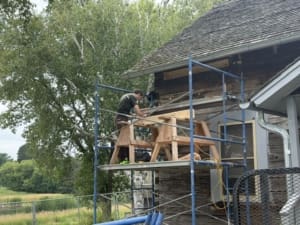
Deciding to intervene and change a historical building is not a choice taken lightly. There are many factors to consider and many discussions to ensure the process is carried out with precision and care.
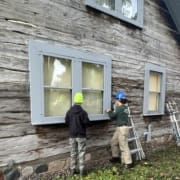
The first step is to try all standard maintenance methods. Issues regarding interior temperature or humidity control can be managed by a facilities manager (Prieto, et al, 2019). For example, within the Pastor’s House at Gammelgården, dehumidifiers were installed and maintained to reduce interior damage from excess water vapor.
When a building’s stability and safety come into question, museums will hire specialists who provide suggestions for restorative work that weigh the cost of materials and labor, cultural preservation, level of alteration, and longevity. This valuable information helps develop a road map to keep these buildings healthy so they can be viewed for generations to come.
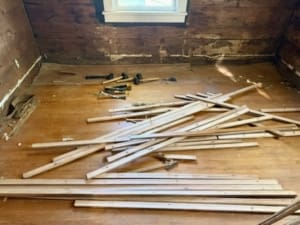
If you are interested in future articles about how these concepts apply to Gammelgården, join our e-mail list!
References
Bjorneberg, B., (n.d.) Renovation, Restoration, Preservation, Conservation. Conservation & Design International. https://www.conservation-design.com/renovation-restoration-preservation-conservation
Design Pulse Team, (2025, August 27). Preserving Historic Buildings: Safeguarding Architectural Heritage for Future Generations. Arch Up. https://archup.net/preserving-historic-buildings/
Prieto, A., Marcus-Bernal, J.M., Chavez, M., Alejandre, F.J., & Silva, A., (2019, January 29) Impact of Maintenance, Rehabilitation, and Other Interventions on Functionality of Heritage Buildings. Journal of Performance of Constructed Facilities, Vol. 33 (2), https://doi.org/10.1061/(ASCE)CF.1943-5509.0001271
Written by Ezra Bao