Keeping Warm in the Late-1800s in Minnesota
Winter in Minnesota, with its below-zero temperatures and bone-chilling winds, was quite challenging for Swedish immigrants. Staying warm required resourcefulness and the use of layers of clothes, quilts, and blankets. Gammelgården’s textile and household collections include all of these items.
To handle sub-zero temperatures, Swedish settlers adapted their clothing, blending traditional clothes they brought from Sweden with practical items they made in their early years in Minnesota.
Men would have worn heavy wool pants, multiple woolen shirts, and vests; and women would have worn multiple layers (sometimes quilted for extra warmth) under their skirt/dress and used shawls. Shawls were either knitted or woven from homespun wool yarn for everyday warmth during trips to town and inside their log homes.
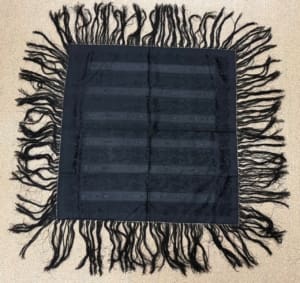
Both men and women wore knitted socks, coats, hats (wool and fur), and knitted mittens/gloves.
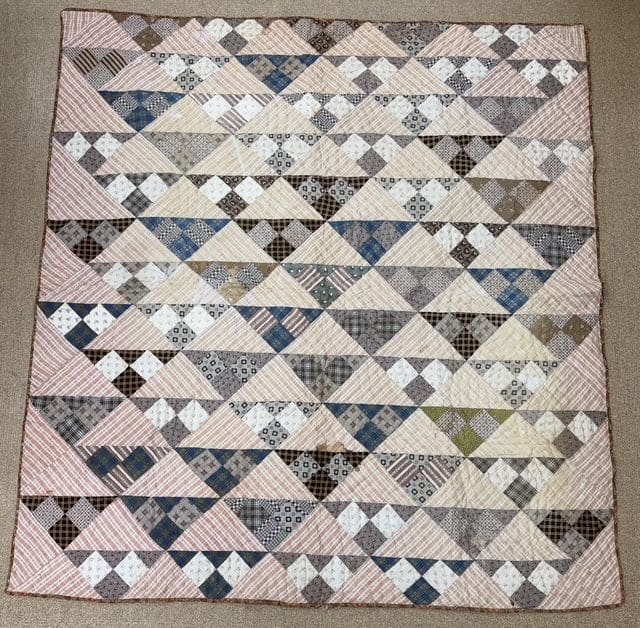
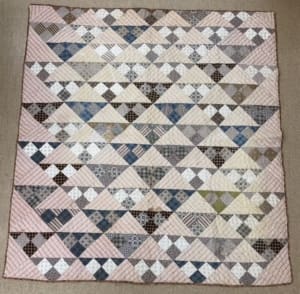
Inside their log homes, keeping warm at night required heavy bedding, including quilts made from repurposed fabric scraps and worn-out garments (see two photos below) and woolen blankets.
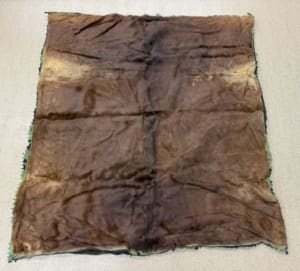
When Swedish immigrants and early settlers traveled by sleigh, they often used horse-hair blankets. These blankets and lap robes shielded them against the wind chill during the long journey to town or to visit neighbors.